Before School Year

Set Up Gradebooks
By basing the gradebook set up on research and evidence, teams can establish an essential technical and pedagogical framework for tracking student achievement and identifying early warning signs in real time that works for the local context of their district. To do so requires a technical and data infrastructure that moves beyond simple point entry to support automated “completeness of data” flagging, customizable score codes, and weighted categories aligned across departments. By using the Optimal Technical and Data Infrastructure Checklist, teams can ensure their systems have essential functionalities, like supporting mastery-based configurations and providing multi-level drilldown views from the individual student to the entire grade level.
Examples in Practice
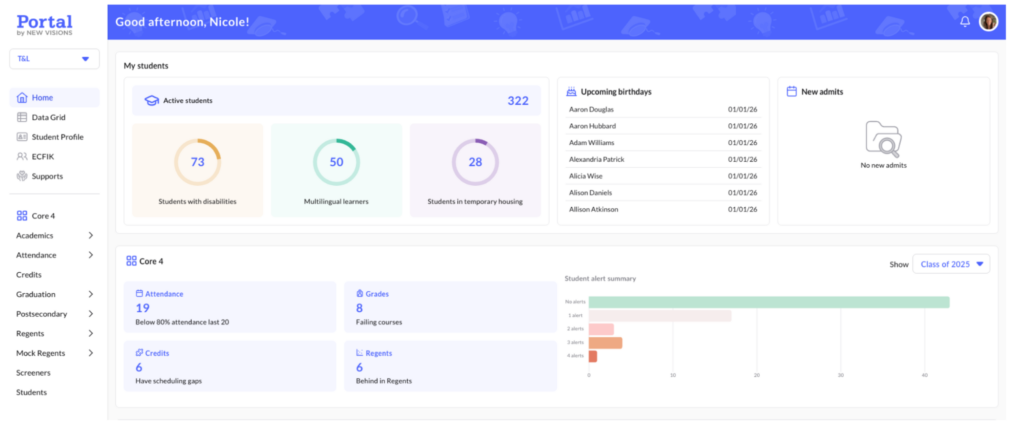
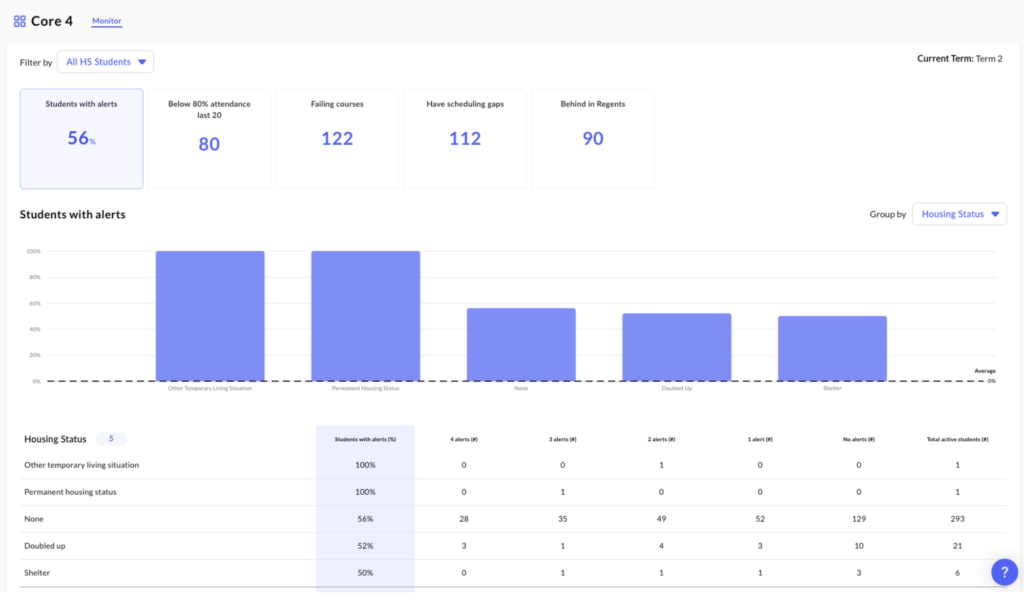
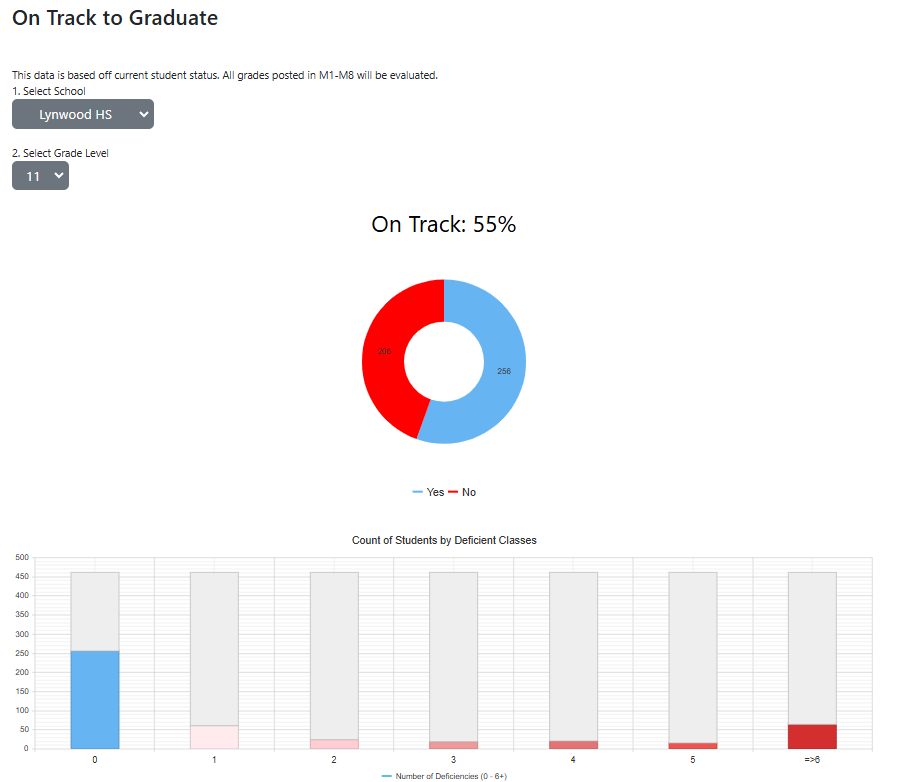
These real-world spotlights showcase how existing products have created the technical infrastructure to support setting up gradebooks and highlight how districts created innovative in-house approaches to address their needs. The spotlights here include how products provide educators with real-time data and districts use Data Portals to align credits, enrollment, and assessments for graduation on-track reports. Explore these roadmaps to support student success teams implement similar solutions:
Custom Dashboards: How Panorama Provides Educators with the Right Real-Time Data

Collaborative Grading for Clarity: How Lynwood Engages Teachers to Ensure Gradebook Data is Actionable and Consistent Across All Courses
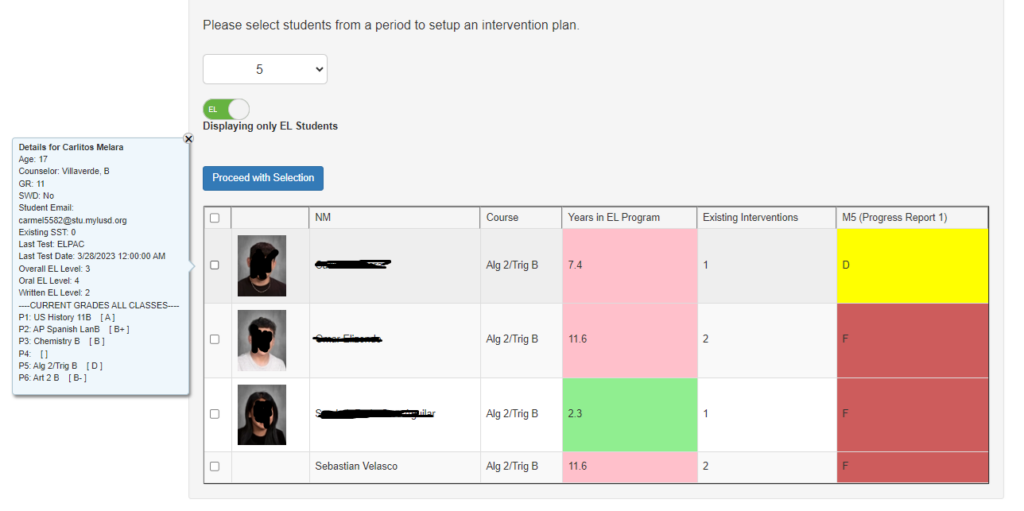
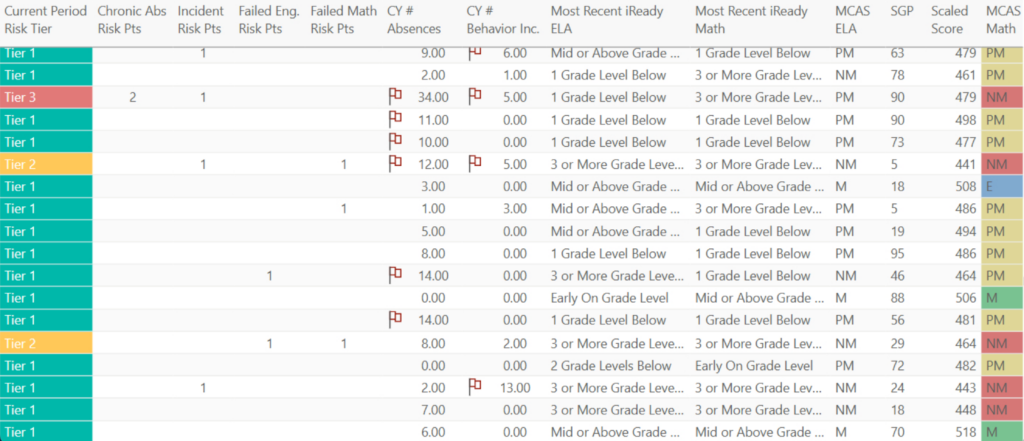
From Classroom Grade to Early Warning System: Lowell’s Strategy for Aligning Course Performance Data for Consistent At-Risk Student Identification
Actionable Insights on Day One: How NYCPS’s Data Portal Aligns Credits, Enrollment, and Assessments for Rapid Graduation On-Track Reports